NBA Double-Double and Triple-Double Props Betting
 Available in US
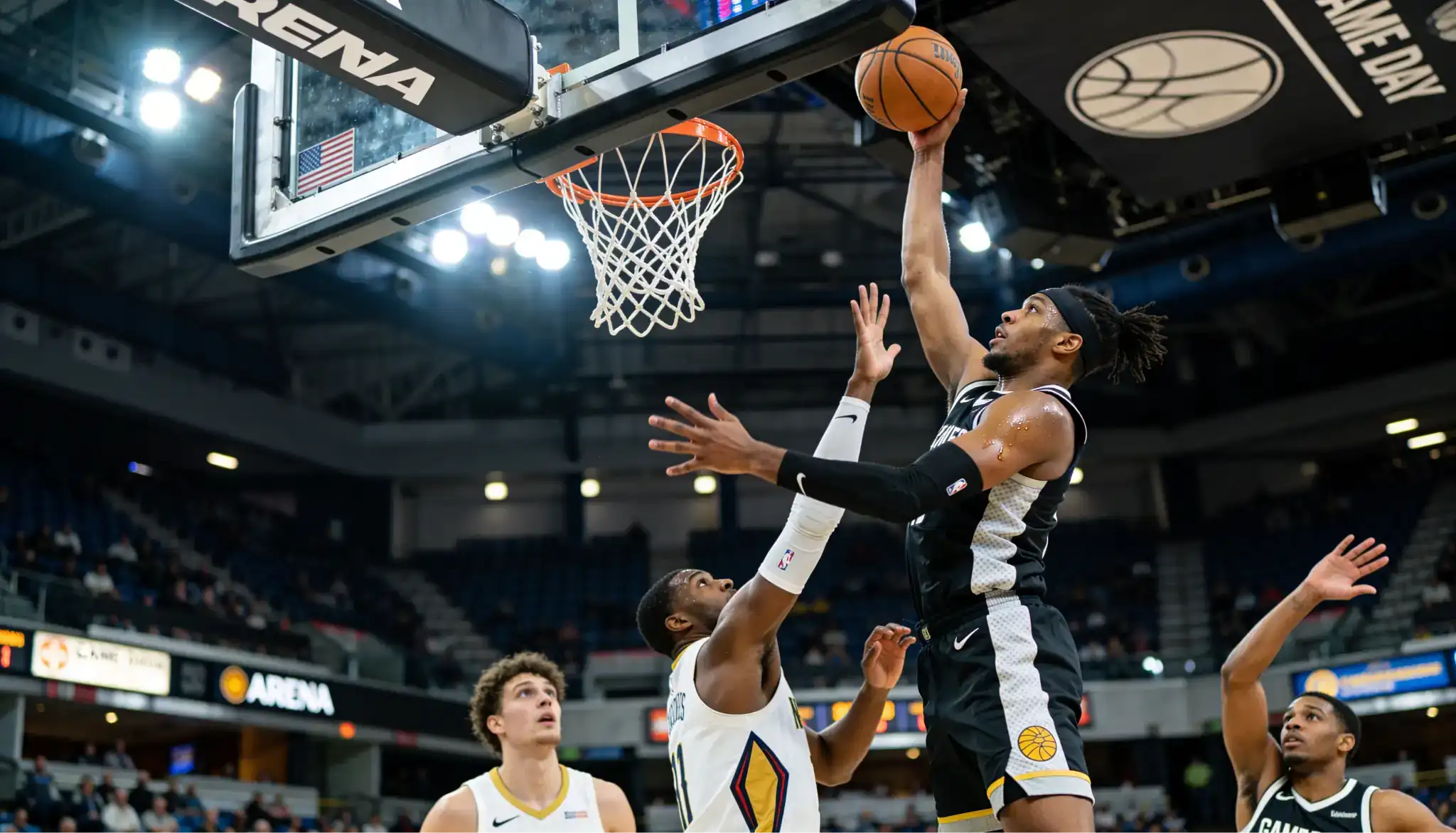
I still have the betting slip from when I backed a relatively unknown centre for a double-double at 3.50 odds. Everyone focused on the star players that night while this big man quietly grabbed rebounds and converted inside. Sixteen points, fourteen rebounds – the easiest cash of that month. Milestone props reward bettors who understand which players consistently stuff the stat sheet regardless of whether they make headlines.
Double-doubles and triple-doubles represent statistical milestones that fans celebrate and bookmakers price. Reach double figures in two categories – points and rebounds, points and assists, rebounds and assists – and you have a double-double. Hit three categories and you have achieved the rarer triple-double. These props transform games into stat-watching exercises where every box score entry matters to your bankroll.
Sports economist Michael Lewis has observed that prop betting keeps fans engaged in otherwise meaningless games, turning garbage time into meaningful minutes when your player needs three more rebounds to complete a double-double. This engagement drives the market’s popularity among UK bettors who want reasons to care about every possession.
Double-Double Metrics: Qualifying Stats for Prop Bets
Precision matters when your bet hangs on a single stat. Understanding exactly what counts toward each statistical category prevents unpleasant surprises when checking box scores the morning after a late game.
Points include all scoring – field goals, three-pointers, and free throws. Every basket counts toward the scoring milestone. A player who scores nine points in the first three quarters needs just one more bucket to reach double figures in scoring.
Rebounds combine offensive and defensive boards. A player who grabs mostly defensive rebounds reaches ten just as surely as one who battles for offensive boards. Rebounding is the most predictable double-double category because opportunities are consistent regardless of game flow.
Assists require the scorer to shoot immediately upon receiving the pass. A player who creates opportunities but sees teammates hold the ball before shooting misses out on the assist. Playmakers on teams with quick decision-makers accumulate assists faster than those on teams that reset after every pass.
Steals and blocks contribute toward triple-doubles but rarely factor into double-double conversations. Reaching ten in either defensive category is exceptionally rare – only a handful of players each season manage double-figure steals or blocks in a single game. When they do, the triple-double odds were probably astronomical.
Overtime periods count toward all statistical categories. A player stuck on nine rebounds through regulation might grab two more in overtime to complete the double-double. Close games that extend offer extra opportunities for milestone completion.
Double-Double Probability Analysis
The NBA generates over eleven billion dollars in annual revenue, and a portion flows through prop markets where double-double bets represent one of the most popular offerings. Bookmakers price these markets based on historical frequency, but their models sometimes lag behind current form.
Centres post double-doubles most frequently. Their combination of scoring opportunities in the paint and rebounding position creates natural paths to double-figure points and rebounds. A starting centre averaging 14 points and 10 rebounds enters most games as a reasonable double-double candidate.
Point guards achieve double-doubles through points and assists. The primary ball handler who scores 18 points while dishing ten assists has hit the milestone through a completely different route than the rebounding centre. Usage rate and team pace affect point guard double-double probability significantly.
Power forwards sit in a unique position. They can reach double-doubles through points-rebounds like centres or occasionally through rebounds-assists if they facilitate from the high post. Versatile power forwards offer multiple paths to the milestone, improving their probability compared to specialists.
Calculate baseline probability from recent games. A player who has posted double-doubles in eight of his last twelve games operates around 67% true probability. If the bookmaker offers 1.80 odds implying 56% probability, you have identified a value opportunity. Always verify that recent form reflects genuine performance rather than unsustainable streaks.
Matchup context shifts probability substantially. A centre facing a weak rebounding team might see his double-double odds improve. A point guard playing against aggressive defensive pressure might struggle to distribute effectively. Adjust your baseline probability based on the specific opponent.
Triple-Double Rarity
The new NBA media deal starting in 2025-26 totals 76 billion dollars over eleven years, a testament to the entertainment value that statistical achievements like triple-doubles provide. But rarity defines this category – only a small group of players threaten triple-doubles with any regularity.
Certain players are wired differently. Their combination of scoring ability, rebounding positioning, and playmaking responsibility creates realistic triple-double opportunity nearly every night. These players might achieve triple-doubles ten or more times per season while the rest of the league combines for a similar total.
Position versatility enables triple-doubles. A point guard needs unusual rebounding to reach ten boards. A centre needs rare passing ability to hit ten assists. The modern positionless player who handles, rebounds, and facilitates has the broadest path to triple-doubles.
Game script influences triple-double opportunity. Blowout losses see stars pulled early with stats incomplete. Competitive games where your player remains on the court for forty minutes provide the runway needed to accumulate across categories. Pace matters too – faster games mean more possessions and more statistical opportunities.
Triple-double odds vary wildly based on the player and matchup. A known triple-double threat might be priced at 4.00 against a weak opponent. A solid player who only occasionally threatens the milestone might sit at 25.00 or higher. These longer odds can offer value when specific game conditions favour a statistical explosion.
Finding Value in Milestone Props
My best double-double season came from identifying players whose recent usage had increased without corresponding odds adjustment. Injuries to teammates meant more touches, more scoring opportunities, and more rebounds available. The market lagged behind these developments by days or even weeks.
Monitor minutes projections carefully. A player who typically rests in blowouts might play heavy minutes in a competitive game. More time on the court means more statistical accumulation. When the context suggests extended minutes, double-double probability rises accordingly.
Pace and opponent defensive quality create favourable environments. Playing against a fast-paced team that allows high field goal percentages means more scoring opportunities for everyone. When your player faces such a matchup, his milestone probability exceeds his season average.
Beware of narrative-driven odds compression. When media coverage highlights a player’s triple-double streak, public betting floods that market. Bookmakers shorten odds beyond fair value because they know recreational bettors will pay inflated prices. Fade the hype when possible.
Consider correlation with game outcomes. A player might need his team to win comfortably to stay on the court long enough for a triple-double. Alternatively, a losing effort might see the stat-chasing player accumulate in garbage time. Understanding how your player responds to different game states sharpens your probability estimates.
Building Your Milestone Strategy
Focus on players you watch regularly rather than chasing odds across the league. Deep knowledge of a handful of double-double candidates beats shallow analysis of dozens. You will spot form changes, minute variations, and matchup edges that casual observers miss.
Track results meticulously. Record the odds you took, the outcome, and the final stat line. After fifty or more bets, analyse where you found value and where you leaked. Patterns emerge that guide future selections.
Accept that milestone props carry meaningful variance. A player who achieves double-doubles 60% of the time will still miss four in ten. String together several misses and your bankroll feels the pressure. Size bets appropriately and maintain perspective across losing stretches. The broader landscape of NBA player props offers context for how milestone markets fit within individual betting strategies.
What is a double-double in NBA betting?
A double-double means reaching double figures in two of five statistical categories: points, rebounds, assists, steals, or blocks. The most common combinations are points-rebounds for centres and power forwards, or points-assists for guards. Betting on a player to achieve a double-double means you win if they hit ten or more in any two categories.
How rare are triple-doubles?
Triple-doubles are relatively rare – only a small group of elite players achieve them regularly. Most triple-doubles come from versatile players who handle the ball, crash the boards, and facilitate scoring. A typical NBA season sees perhaps 100-150 total triple-doubles across all players, with a handful of stars accounting for a large percentage of that total.
Created by the ”how to bet nba” editorial team.