
NBA Playoff Betting: Series Odds and Postseason Picks
 Available in US
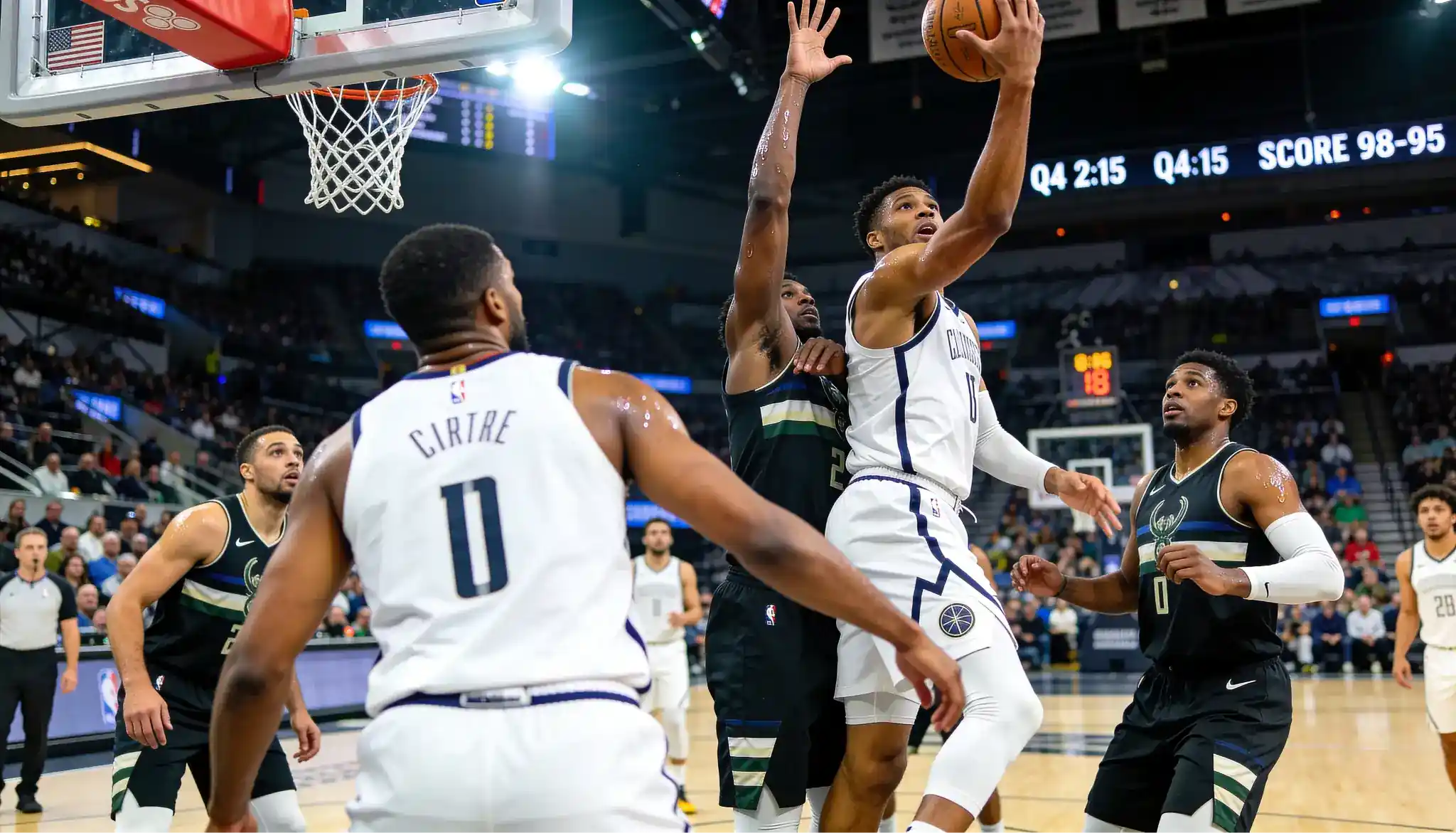
Regular season betting habits nearly cost me during my first playoff run. I was applying the same analytical framework – schedule spots, fatigue, pace – without adjusting for the fundamentally different nature of playoff basketball. Games Seven taught me the hard way that playoffs demand different thinking. The intensity shifts, the adjustments compound, and the variance both increases and decreases in ways that reshape every betting decision.
As teams advance through the postseason, your focus should shift towards NBA Finals betting strategies to capitalize on championship matchups.
Get comprehensive playoff coverage and series breakdowns from the experts at SWISHLINE.
NBA playoffs represent the sport at its highest intensity. Sixteen teams compete through four rounds of best-of-seven series, with each series producing between four and seven games of increasingly high-stakes basketball. For bettors, this structure creates unique opportunities unavailable during the regular season – series markets, elimination game dynamics, and adjustment-driven line movements that reward those who understand playoff specifics.
UK bettors face scheduling advantages during playoffs. Games air at more consistent times, often with better UK viewing windows as the league prioritises American primetime audiences. This improved accessibility lets you watch more games directly, gathering information that regular-season late-night tip-offs denied you.
Playoff Series Betting: Evaluating Matchup Odds
Super Bowl 2025 generated a record 1.39 billion dollars in legal betting handle, demonstrating appetite for championship-level wagering. NBA series betting offers similar excitement across multiple rounds rather than a single game.
Series winner markets ask simply which team advances. Odds adjust after each game based on series status. A team that opens at -200 might drift to +150 after falling behind 0-2, creating opportunities for those who believe in comebacks or want to hedge earlier positions.
Exact series outcome markets let you bet on the number of games. Predicting a sweep pays more than predicting a seven-game series because sweeps are rarer. These markets carry higher variance but offer larger payouts when your series-length prediction proves correct.
Handicap series betting gives one team a game advantage before the series starts. A -1.5 games handicap means that team must win the series by at least two games – sweeping or winning in five rather than in six or seven. These markets let you express strong opinions about series dominance.
First team to win a certain number of games provides alternative series structures. Betting a team to win three games first is similar to series winner but settles earlier, before a potential decisive seventh game. These markets offer different risk-reward profiles than standard series winner.
Track series pricing across multiple bookmakers. Margins vary significantly on these longer-duration markets, and shopping for the best price on a position you will hold for potentially two weeks matters more than on a single-game bet you resolve in hours.
Game-by-Game Dynamics
Around 27% of all bets are parlays according to industry data, and playoff games offer prime parlay opportunities given the compressed schedule and familiar matchups. But understanding game-by-game dynamics helps whether you parlay or bet singles.
Games One and Two typically favour home teams strongly. The higher seed has earned home court advantage and enters the series with a prepared game plan against a specific opponent. Visiting teams often need a game to adjust to the playoff atmosphere and specific defensive looks they face.
Games Three and Four see adjustments from both coaching staffs. Whatever worked in the first two games gets countered. Whatever failed gets abandoned. These middle games often feature the most tactical novelty, making them harder to handicap but also offering value when markets lag behind the adjustment cycle.
Elimination games produce distinct dynamics. The facing-elimination team plays with desperate intensity but also tight pressure. The team that can close experiences the opposite – opportunity energy that sometimes leads to complacency. Historical data shows elimination games are roughly split between the desperate team extending and the closing team finishing.
Game Seven represents maximum intensity for both teams. Home court advantage becomes paramount – Game Seven winners at home are roughly 75% historically. The psychological pressure affects both teams equally, often producing tight, defensive games where totals trends differ from earlier games in the series.
Blowout patterns within series merit attention. If a series features alternating blowouts – each home team winning big – that suggests both teams struggle on the road. If games are consistently close regardless of venue, the series is genuinely competitive and late-game execution likely decides outcomes.
Coaching Adjustments
The NBA’s new media deal totals 76 billion dollars over eleven years, reflecting the entertainment value that playoff basketball provides. Part of that entertainment comes from watching elite coaches make adjustments that swing series – adjustments bettors must anticipate.
Regular season games rarely feature specific game-planning against individual opponents. Coaches apply general schemes and rely on talent. Playoffs flip this dynamic – every possession gets analysed, every tendency gets catalogued, every player gets specific attention. The team that adjusts better often wins series regardless of regular season record.
Track which coaches excel at adjustments versus those who struggle. Some coaches make brilliant halftime changes while others remain rigid. Some coaching staffs have reputations for outstanding series preparation while others seem surprised by opponent tactics. These tendencies carry predictive value.
Mid-series adjustments often centre on rotations. A player who struggled in Games One and Two might see reduced minutes. A bench player whose specific skills exploit a matchup might see expanded time. Monitoring press conferences and beat reporter information reveals these rotation changes before they show up in games.
Defensive adjustments determine series outcomes. The team that figures out how to slow the opponent’s primary actions first often takes control. Watch for switching schemes, zone defences, blitzing strategies, and other tactical changes that emerge through series progressions.
Offensive adjustments follow defensive changes. When one team solves the other’s defence, the losing team must counter-adjust. This chess match continues through seven games if necessary, with later games featuring the most refined strategies from both sides.
Home Court Value
Home court advantage intensifies in playoffs beyond its regular season level. Understanding this amplification helps price playoff games appropriately and identify value in series markets.
Home teams win roughly 65% of playoff games compared to 58% in the regular season. This increase reflects louder crowds, higher stakes that players respond to, and the comfort advantages that become more meaningful when margin for error shrinks.
The higher seed earned home court through regular season performance. This means they play potential Games One, Two, Five, and Seven at home. In a close series, this structure provides significant advantage – they can split on the road and still win by taking care of home games.
Some arenas produce particularly strong playoff atmospheres. Teams in these buildings show even larger playoff home advantages than their regular season numbers suggest. Identifying these venues – often smaller buildings with historically engaged fanbases – helps anticipate series dynamics.
Travel becomes strategic in playoffs. Unlike regular season where teams might play different opponents on a road trip, playoff series feature the same opponent with only travel between home cities. This concentrated travel affects teams differently – some build road cohesion while others struggle away from home comforts.
Series price the expected impact of home court into opening odds. A 2-seed facing a 7-seed might open at -250 partly because of the home court advantage structure. When judging these series prices, account for how much of the favourite’s price reflects home court versus talent superiority.
Building Your Playoff Approach
Specialise rather than spreading across all series. Follow a few matchups closely, watching every game, reading every beat reporter’s analysis, understanding the tactical adjustments as they develop. Deep knowledge of two or three series beats shallow coverage of all eight first-round matchups.
Position early in series you have strong convictions about, then manage those positions as games play out. If you believe a 4-seed will upset a 1-seed, betting the series before it starts captures the longest odds. You can then hedge or add as the series develops.
Accept that playoff variance differs from regular season. The smaller sample of games in a seven-game series means anything can happen. A single off-shooting night from a star or a refereeing decision can flip a series. Size bets accordingly, recognising that even strong edges can lose in short samples. The complete framework for futures betting contextualises series betting within broader championship wagering.
Are NBA playoff games harder to bet?
Playoff games feature tighter markets because more information is available and both teams prepare specifically for each other. However, series markets and game-by-game dynamics create opportunities absent from regular season betting. Success requires adjusting your approach rather than applying regular season methods unchanged.
How important is home court in NBA playoffs?
Home teams win approximately 65% of playoff games compared to 58% in regular season. The higher seed plays potential Games One, Two, Five, and Seven at home. This structure means a team can split road games and still win a series by protecting home court, making the regular season fight for seeding extremely valuable.
Written by the editors at how to bet nba.