NBA Three-Pointer Props: Betting Markets for Made Threes
 Available in US
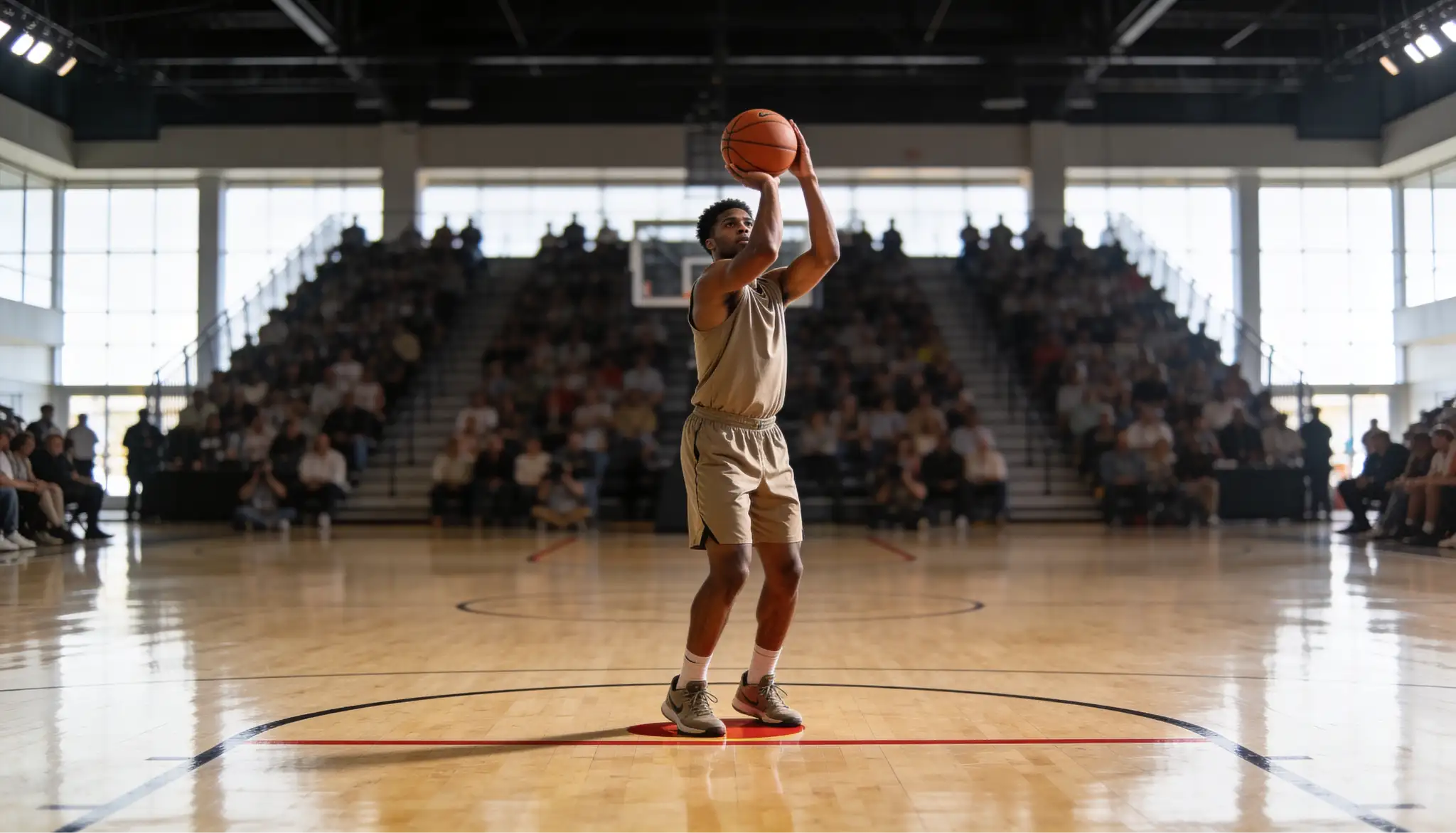
The shooter rose for his seventh three-pointer of the night with two minutes left, and I held my breath watching him hit the exact number I needed. Three-point props reduce basketball to its most exciting moments – those suspended seconds when the ball hangs in the air before swishing through or clanging off the rim. After nine years of betting these markets, I have learned that made threes combine skill analysis with pure variance in ways that reward prepared bettors while humbling overconfident ones.
Three-point prop betting focuses on individual players’ shooting from beyond the arc. Bookmakers set lines for made threes – typically between 1.5 and 4.5 for most regular shooters – and you bet over or under that number. The market has exploded alongside the NBA’s three-point revolution, where teams now routinely attempt forty or more threes per game and specialists launch double-digit attempts nightly.
For UK punters, three-point props offer engagement that survives regardless of game outcome. Your shooter might drain five threes in a blowout loss, cashing your over while the result goes against his team. This independence from game results provides hedging opportunities and keeps interest alive in otherwise one-sided contests.
Three-Point Prop Markets: Analyzing Shooting Trends
Bookmakers have expanded three-point offerings dramatically as the shot has come to dominate modern basketball. Understanding the market structure reveals where opportunities hide.
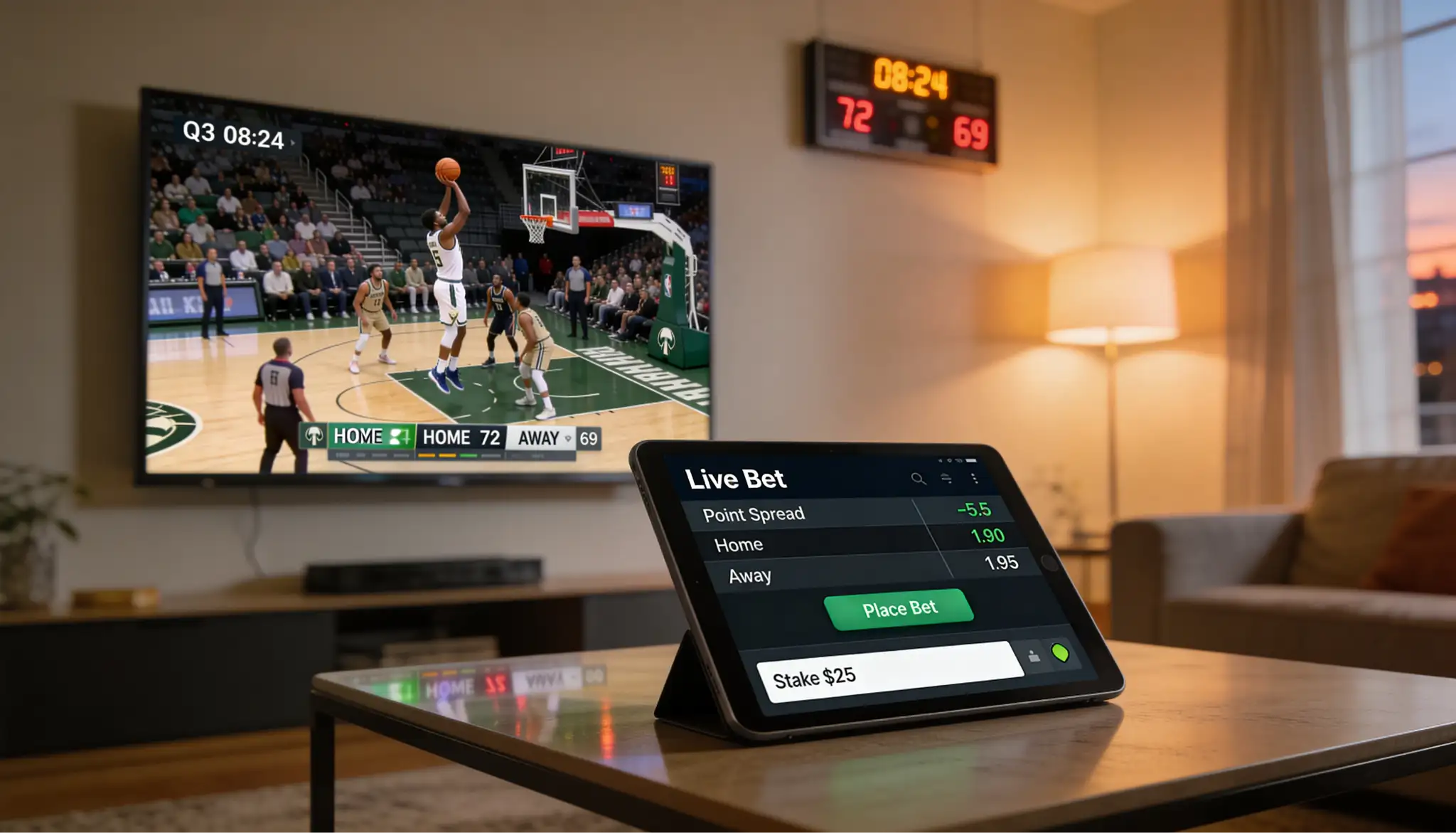
Individual player made threes represent the core market. A high-volume shooter might have a line of 3.5 made threes, with odds around 1.90 on either side. Beat the line by one, you win. Fall one short, you lose. The half-point eliminates pushes, forcing every bet to resolve definitively.
Attempt props exist but receive less attention. Betting on a player to attempt over 8.5 three-pointers offers different dynamics than betting on made threes. Attempts depend on playing time and shot selection, while makes add shooting accuracy as a variable. Some bettors prefer the reduced variance of attempt props.
Team three-point totals aggregate all players’ makes into a single number. A team averaging twelve made threes per game might have a line around 11.5 or 12.5. These markets reduce individual variance but introduce lineup and game flow considerations that affect opportunity distribution.
First three-pointer scorer markets mirror first basket markets but specifically reward the player who makes the game’s opening shot from beyond the arc. These high-variance plays offer significant odds on players known for early three-point attempts.
Same game parlays frequently incorporate three-point props. Combining a shooter to hit over 3.5 threes with his team winning or the total going over creates correlated bets that bookmakers price accordingly. Understanding these correlations prevents overpaying for linked outcomes.
Shooter Analysis
The new NBA media contract worth 76 billion dollars rewards the entertainment that elite shooters provide, and those same shooters drive three-point prop markets. Analysing shooters requires looking beyond simple averages.
Volume determines opportunity. A player averaging eight three-point attempts per game has far more chances to hit a 3.5 line than one averaging four attempts. High-volume shooters can survive cold stretches through sheer repetition – miss your first three attempts but hit three of your next five, and you still cash the over.
Accuracy rates fluctuate more than most bettors realise. A 38% three-point shooter might hit 45% over a two-week stretch, then drop to 32% the following month. These fluctuations create opportunities when recent form diverges from season averages that bookmakers use to set lines.
Role changes affect three-point opportunity. A shooter whose teammate gets injured suddenly sees more defensive attention – or more open looks depending on how defences adjust. Monitor lineup news and understand how roster changes redistribute shooting opportunities.
Hot streaks and cold streaks are partially real and partially illusion. Statistical analysis suggests shooting percentage variations occur roughly as random chance would predict, but some variance beyond randomness exists. Bet on recent form cautiously, recognising that regression toward the mean operates over time.
Catch-and-shoot versus off-the-dribble shooting reflects different skills. Players who primarily spot up and shoot when open have more consistent percentages than those who create their own shots off the dribble. Understanding each shooter’s typical shot diet helps predict their likelihood of reaching made three targets.
Defence Matchups
Some defences funnel shooters into uncomfortable looks while others leak open threes through scheme or personnel deficiencies. Matchup analysis separates sophisticated three-point bettors from those betting names they recognise.
Opponent three-point defence allowed varies significantly. Teams that aggressively close out on shooters limit attempts and contest makes. Teams that play drop coverage and protect the paint surrender open perimeter looks. Check defensive rankings for three-point percentage allowed and attempts allowed per game.
Individual defender assignments matter for star shooters. A quick, lengthy defender assigned to hound your shooter all game reduces both volume and accuracy. A slower defender or one whose team switches frequently might give your shooter clean looks he does not typically get.
Game planning affects three-point opportunity. Some coaches specifically scheme to deny certain shooters the ball beyond the arc. Others accept open threes from secondary players while focusing defensive attention on primary scoring threats. Understanding opponent tendencies reveals which shooters face favourable or unfavourable contexts.
Pace influences three-point frequency. Faster games generate more possessions and more three-point attempts for everyone. A shooter averaging 3.0 made threes against slow teams might average 3.8 against up-tempo opponents simply through increased opportunity rather than improved accuracy.
Home versus away splits sometimes reflect shooting environments. Certain shooters perform better in their home arena – familiarity with sightlines, crowd energy, shooting routines. Others show no home-road differential. Check individual player splits rather than assuming universal patterns.
Volume vs Efficiency
I lost money early in my three-point betting career by chasing efficient shooters without considering their volume. A player hitting 42% of his threes sounds elite until you realise he only attempts three per game. The math simply does not support betting his over 1.5 made threes at standard odds.
Volume creates margin for error. A player attempting ten threes needs only to shoot 35% to reach 3.5 makes – well below league average accuracy. A player attempting five threes needs 70% shooting to reach the same number – an unsustainable rate for any perimeter shooter.
Efficiency without volume produces inconsistent results. High-percentage, low-volume shooters might reach their line one night and fall well short the next. The variance makes betting overs particularly risky because any game where they attempt fewer shots than usual almost guarantees a loss.
Volume without efficiency creates different dynamics. Players who launch many threes at poor percentages offer value on unders when the line sits high relative to their true expected makes. Bookmakers sometimes overreact to high-volume games, setting lines based on inflated recent attempts rather than sustainable rates.
The ideal three-point prop target combines volume and efficiency – players who shoot at least six or seven threes per game while maintaining accuracy above 36%. These shooters consistently threaten lines in the 2.5 to 3.5 range and offer reliable overs when matchups favour them.
Track attempts alongside makes in your betting records. Understanding how your selected shooters’ volume fluctuates reveals patterns that inform future wagers. A shooter whose attempts drop in competitive games behaves differently than one whose attempts increase when games matter most.
Becoming a Three-Point Specialist
Narrow your focus to a handful of shooters you understand deeply. Know their tendencies, their defensive matchup histories, their volume patterns in different game contexts. Specialisation beats broad coverage in markets where granular knowledge creates edges.
Watch your selected shooters whenever possible. Box scores tell you outcomes but not processes. Seeing whether a shooter is getting clean looks or contested attempts informs future probability assessments far better than simple make-miss data.
Maintain realistic expectations about variance. A shooter might go 1-8 from three in a game where your analysis perfectly identified a favourable matchup. Shooting variance exceeds most bettors’ intuitions, and even strong edges require patience across many wagers to materialise into profit. The comprehensive view of player prop betting provides additional strategies for statistical markets beyond three-point props.
What counts as a made three in NBA props?
Any successful field goal attempt from beyond the three-point arc counts as a made three. The shot must be released before the shooter’s feet touch the three-point line or the area inside it. Corner threes, wing threes, and deep threes all count equally toward made three props.
How do I research three-point props?
Start with volume – how many threes does the player attempt per game. Then check accuracy – their season percentage and recent form. Factor in the matchup – opponent three-point defence allowed and likely individual defender. Finally, consider game context – pace, game importance, and whether the player’s team projects as competitive or likely to be blown out.
Written by the editors at how to bet nba.