NBA Quarter Betting: First Quarter and Half-Time Markets
 Available in US
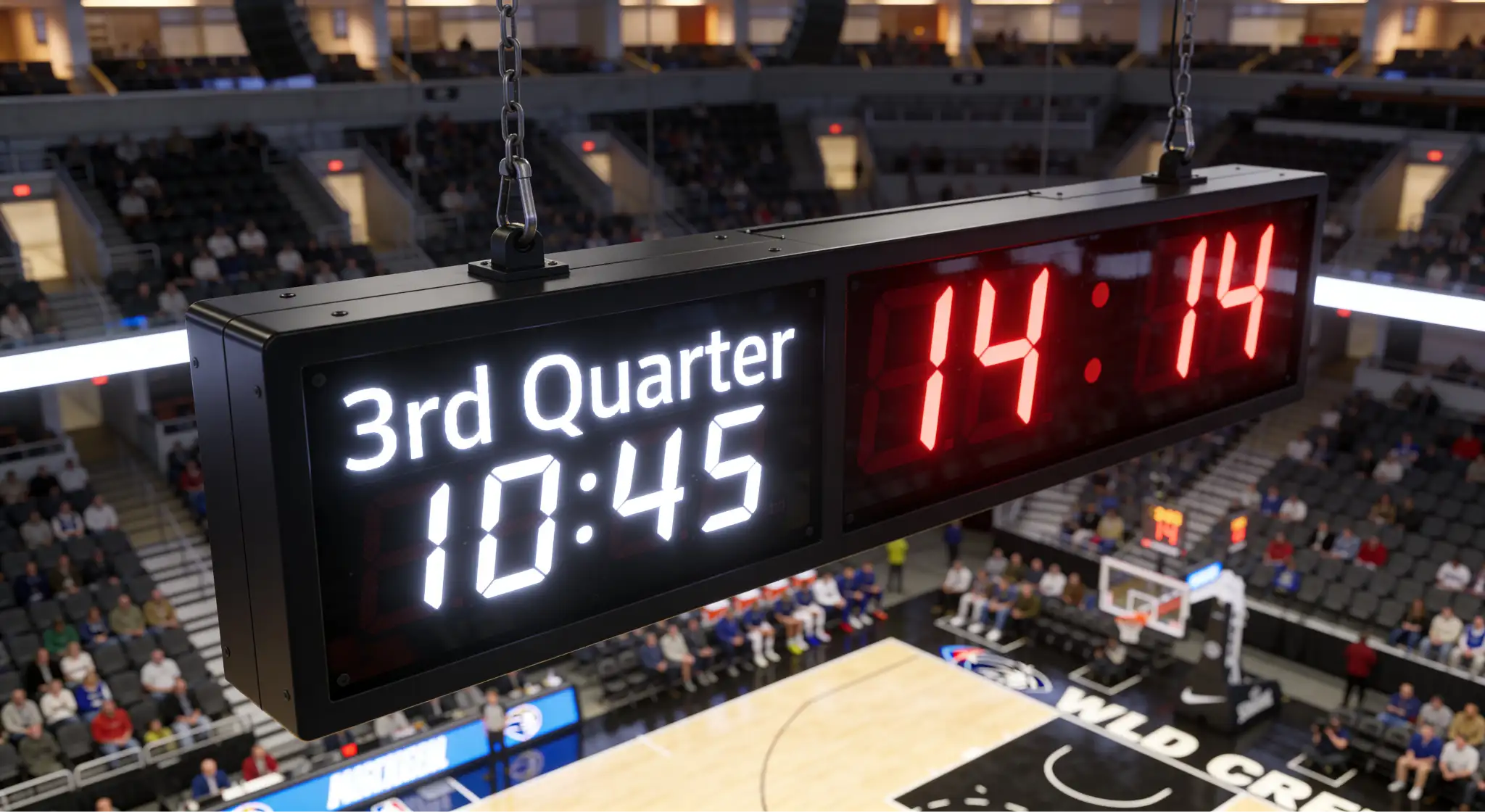
The third quarter destroyed my bankroll in early 2019. I had identified what seemed like a bulletproof angle – certain teams consistently outperformed in specific periods – and hammered it without understanding the variance involved. Turns out quarter betting amplifies every swing, every cold shooting stretch, every tactical adjustment that coaches make. Those fifteen minutes of basketball taught me more about market dynamics than months of full-game wagering ever did.
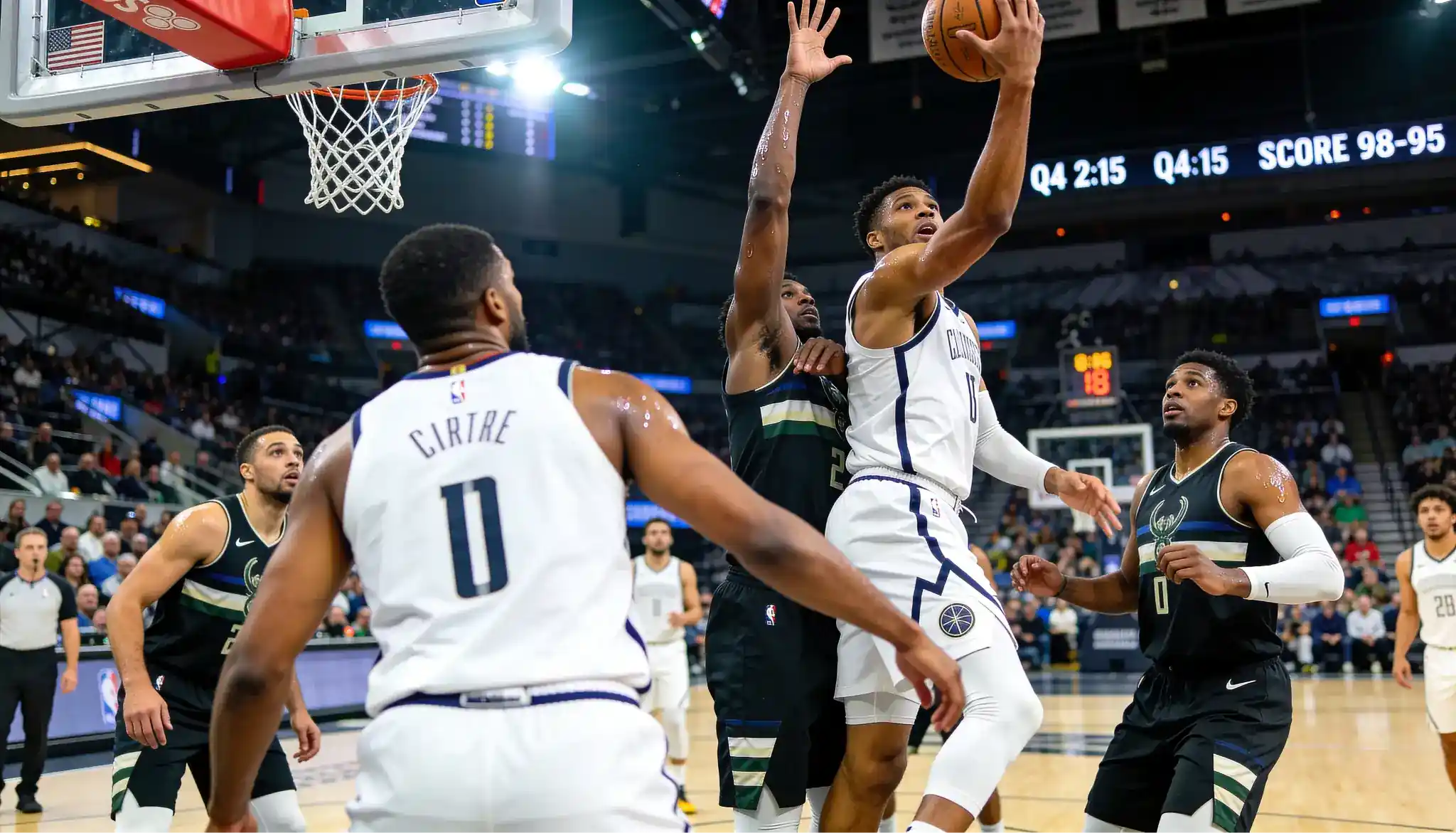
Quarter betting breaks an NBA game into four distinct wagering opportunities, each with its own spread, total, and moneyline. Where full-game markets average out the ebbs and flows across 48 minutes, quarter markets expose you to concentrated bursts of basketball. A team might dominate the first quarter then coast through the second. Starters might rest in the fourth of a blowout. Each period carries unique dynamics that create both risk and opportunity.
UK punters following NBA games that tip off around midnight face a practical consideration: you might not stay awake for the full contest. Quarter betting lets you engage with the portions you can watch, placing informed wagers on periods where your attention is sharpest rather than betting blindly on outcomes you will not see unfold.
NBA Quarter Markets: Analyzing Period Spread Betting
Around 54% of online sports bettors place wagers at least once or twice per week according to recent research, and quarter markets have become a staple offering for this engaged audience. Bookmakers now provide comprehensive period betting across virtually every NBA game.
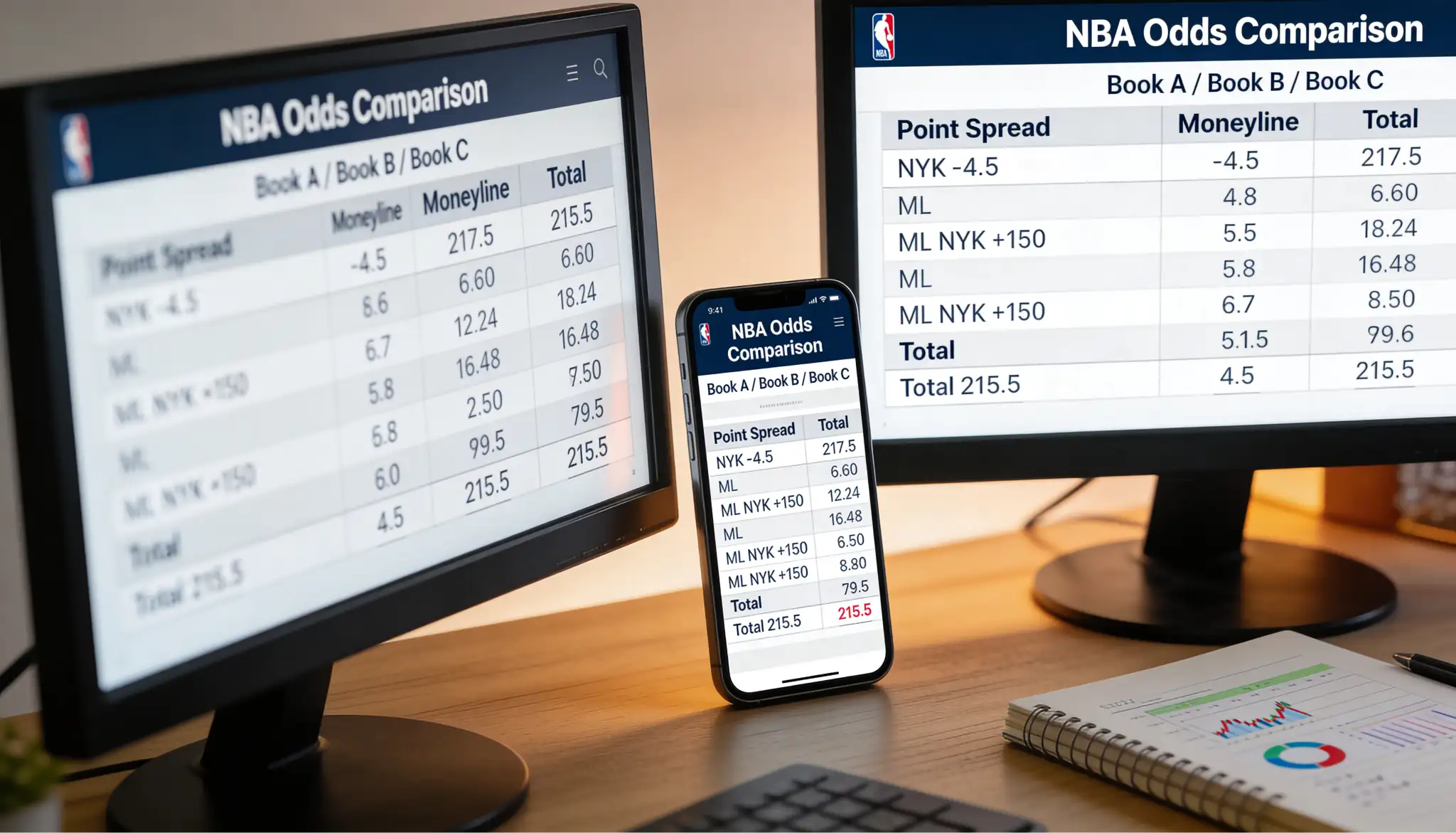
Each quarter has its own point spread, typically ranging from -1.5 to -3.5 for favourites depending on the full-game spread and specific period dynamics. A team favoured by -8 for the full game might be -2 or -2.5 in each individual quarter, though the distribution varies based on known tendencies.
Quarter totals reflect expected scoring within that fifteen-minute window. First quarter totals might sit around 54-58 points combined, while fourth quarter totals often run lower due to strategic slowdowns, garbage time, and pulled starters in blowouts. Understanding typical quarter-by-quarter scoring patterns helps identify mispriced totals.
Moneylines exist for each period, though the odds compress compared to full-game moneylines. A team at 1.40 for the full game might be 1.70 or 1.80 to win any individual quarter. These tighter margins reflect the increased uncertainty in shorter sample sizes.
Halftime markets combine quarters one and two or three and four into single wagering opportunities. First half betting captures the initial twenty-four minutes before teams make major adjustments. Second half betting reflects how coaches respond to first-half developments. Some bettors specialise exclusively in one half or the other.
First Quarter Strategies
The NBA maintains a partnership with Sportradar for real-time data that feeds directly into live betting platforms, and nowhere does that data matter more than in rapidly-moving first quarter markets. The opening period sets the tone while offering unique strategic angles.
Teams show distinct first-quarter tendencies. Some come out aggressive, establishing tempo and building early leads. Others start slowly, finding their rhythm as the game progresses. Tracking these patterns across seasons reveals consistent behaviours that full-game odds do not fully price.
Starting lineup news affects first quarters disproportionately. A key player resting often does not dress at all, but sometimes they sit only the first quarter for load management. Late lineup changes hit first quarter markets hardest because the adjustment period is shortest.
Travel and schedule spots matter more at tip-off than later. A team arriving late the previous night might sleepwalk through the first quarter before waking up. Back-to-back situations particularly affect early-game energy, creating edges in first quarter unders and opposing team spreads.
Opening quarters see starters playing heavy minutes together before rotations break up units. This concentration means the best players face each other directly, sometimes producing higher-quality basketball that favours certain outcomes. Alternatively, it means bench depth – irrelevant in the first quarter – does not factor into your analysis.
First basket markets, while technically separate from quarter betting, connect to first quarter analysis. Teams that consistently win the tip and score first carry that momentum into opening-period performance. Understanding these micro-patterns sharpens your first quarter handicapping.
Halftime Betting
I once watched a team trail by 18 at halftime and win by 12. The second half was an entirely different game, and bettors who recognised the adjustment coming cleaned up on live markets. Halftime creates a natural breaking point where coaches implement changes that can dramatically shift dynamics.
First half betting captures basketball before significant adjustments. Teams generally execute their initial game plans, rotations follow normal patterns, and the basketball tends to reflect preparation rather than in-game adaptation. If your edge comes from studying how teams prepare for specific opponents, first half markets let you isolate that advantage.
Second half betting responds to first-half developments. Trailing teams push pace. Leading teams protect leads. Coaches exploit weaknesses they identified in the first twenty-four minutes. Second half totals typically run slightly lower than first half totals because desperation or protection often trumps normal offensive flow.
Halftime spreads and totals require adjusting your full-game analysis. A team you favour by 6 points for the full game should cover about 3 points per half on average, but variance within halves exceeds variance across full games. Size positions smaller when betting halves compared to full games.
Momentum from the first half carries complicated signals into the second. A team that dominated might relax while their opponent regroups. A team that scraped back from a deficit might have exhausted their burst. Reading these psychological dynamics separates profitable halftime bettors from those applying mechanical splits.
Overtime Rules for Quarter Bets
Nothing ruins a quarter bet quite like discovering after the fact that overtime counted when you assumed it did not. The rules vary by bookmaker and market type, making verification essential before placing any wager.
Fourth quarter bets typically exclude overtime at most UK bookmakers. The market settles based on scoring during the twelve-minute fourth period only. Overtime becomes a separate entity that does not affect your fourth quarter spread, total, or moneyline. Check your specific bookmaker’s terms to confirm this treatment.
Second half bets present more complexity. Some bookmakers include overtime in second half results, meaning a game that goes to extra periods keeps your second half bet alive. Others settle second half bets at the end of regulation. This distinction dramatically affects your position in close games.
Full-game markets almost universally include overtime. Your spread bet, total bet, or moneyline settles on the final score regardless of whether the game needed extra periods. This creates interesting hedging opportunities when you hold both quarter bets and full-game bets on the same contest.
Ask your bookmaker directly if terms are unclear. Most operators provide customer service channels that can clarify settlement rules. Better to spend five minutes confirming than to discover an unpleasant surprise after a five-minute overtime period.
Mastering Period Markets
Begin with first quarter bets where starting lineup certainty is highest and you can watch outcomes unfold in real time during UK evening hours. Build familiarity with quarter-level variance before expanding to other periods or combining quarter plays with full-game positions.
Track quarter results separately from full-game results. Different skills drive success in each arena. You might discover you have an edge in third quarter unders but leak value on first quarter spreads. Detailed records reveal where to focus your attention.
Recognise that quarter betting suits certain temperaments better than others. The faster feedback loop appeals to bettors who want quicker resolution. The amplified variance punishes those who cannot handle losing streaks without tilting. Honest self-assessment determines whether quarter markets belong in your approach. The complete framework for live betting strategy provides context for how quarter markets fit within real-time wagering.
Does overtime count in NBA quarter bets?
Fourth quarter bets typically exclude overtime at UK bookmakers – they settle based on the twelve-minute fourth period only. Second half bets vary by operator, with some including overtime and others settling at end of regulation. Always verify your bookmaker’s specific rules before placing quarter or half bets.
Which quarter is best to bet on in NBA?
No single quarter is universally best. First quarters offer the most predictable lineups and schedules but smaller sample sizes increase variance. Third quarters often see the most significant tactical adjustments. Fourth quarters carry garbage time risk in blowouts. Success depends on matching your analytical strengths to specific quarter dynamics.
Prepared by the how to bet nba editorial staff.