NBA First Basket Betting: Scorer Odds and Tip-Off Stats
 Available in US
Eleven seconds. That is roughly how long you wait to know whether your first basket bet has won or lost. I remember placing my first wager on this market and feeling my pulse quicken during the opening tip-off, watching the ball arc toward one player while my ticket needed another. The immediacy is intoxicating – and the strategy runs deeper than casual bettors realise.
First basket betting asks you to predict which player will score the game’s opening points. It sounds like a coin flip, but patterns emerge when you study tip-off tendencies, offensive sets, and individual scoring habits. Some players consistently get early touches. Some teams run the same opening play repeatedly. Bookmakers know these tendencies and price them into the odds, but inefficiencies exist for those who dig deeper.
For UK punters watching games that tip off after midnight, first basket bets provide immediate engagement. You need not stay awake for hours to see your bet resolve – the outcome arrives within the opening minute, letting you either celebrate or move on with minimal time investment.
First Basket Mechanics: Analyzing Tip-Off Win Rates
The UK processes over 290 million online bets on real sporting events each month, and first scorer markets capture a slice of that volume through their unique appeal. Understanding exactly what counts as a first basket prevents confusion when settlements occur.
Any made field goal counts – two-pointers, three-pointers, even tip-ins off missed shots. The player who puts the ball through the hoop receives credit regardless of how the possession developed. An offensive rebound followed by a put-back scores just as much as a designed play for the star player.
Free throws do not count toward first basket in most markets. If a team is fouled before any field goal and makes free throws, those points score but do not settle the first basket market. The market remains open until someone makes a field goal. Some bookmakers offer separate “first points” markets that include free throws – check which version you are betting.
Own baskets – exceedingly rare in basketball – typically void first basket bets on the player involved. The market moves to the next made field goal. Again, verify your bookmaker’s specific rules as treatments vary.
Player availability affects your bet directly. If your selected player does not take the court for tip-off due to late injury news or coaching decision, most bookmakers void the bet and return your stake. Players who start but fail to score simply lose – there is no refund for picking someone who missed their only first-quarter shot.
Tip-Off Analysis
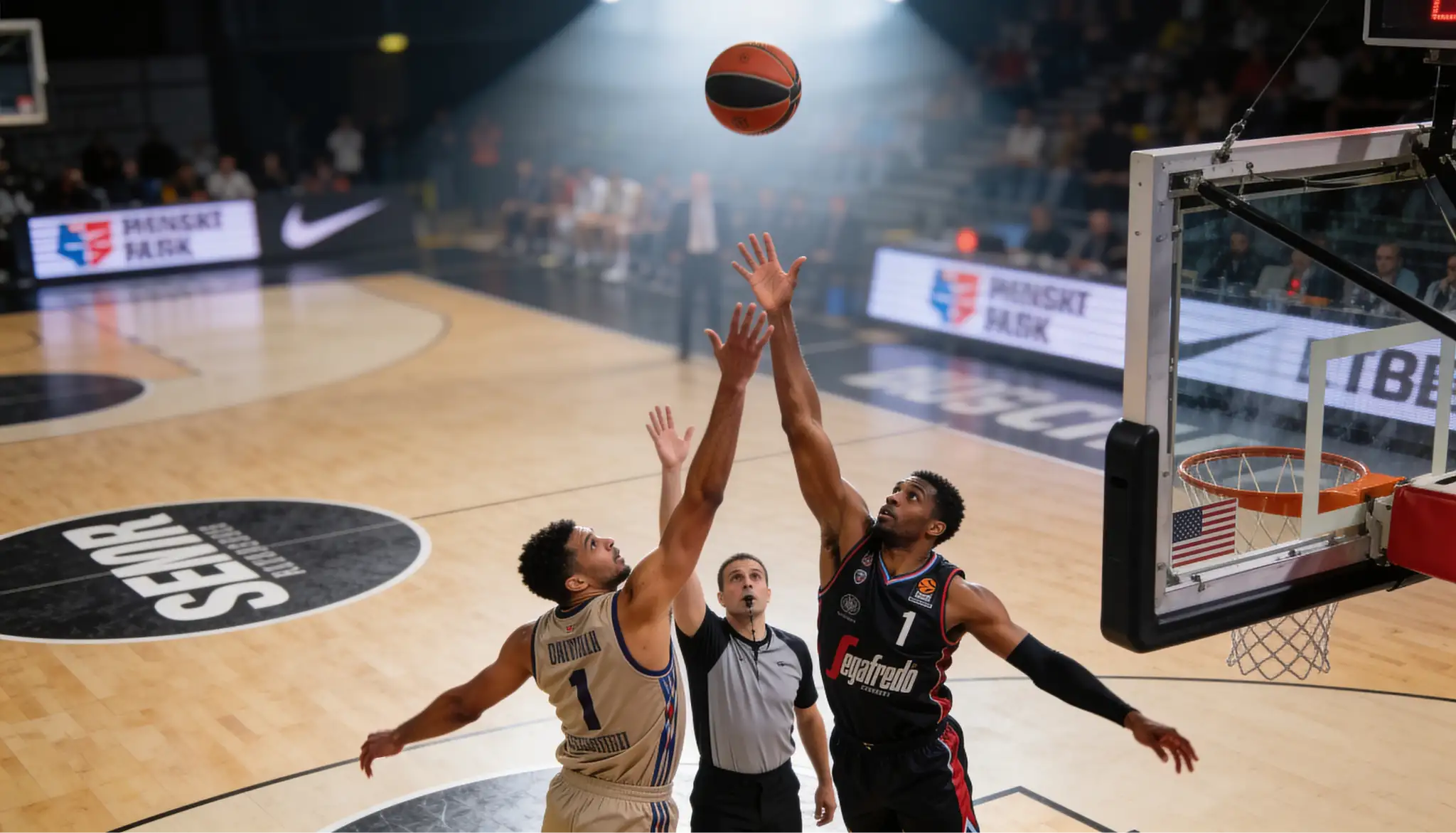
The NBA’s partnership with Sportradar delivers real-time data that sophisticated bettors use to analyse tip-off tendencies. Who wins the jump ball, which direction the winning team tips, and what play they run – these details repeat with remarkable consistency.
Jump ball winners gain first possession roughly in proportion to the height differential between centres, but technique and timing matter enormously. Some shorter centres win tips against taller opponents through superior positioning. Track head-to-head tip-off records when available, as individual matchups predict outcomes better than height alone.
Teams develop favourite opening plays. A point guard might consistently get the ball on the left wing and drive for a layup. A shooting guard might sprint to the corner for a catch-and-shoot three. These tendencies persist across seasons and become targetable edges when bookmakers underprice the relevant player.
Losing the tip does not eliminate first basket opportunity. The team that wins the tip might turn the ball over, miss their shot, or see their attempt blocked. The defending team then has transition or halfcourt opportunity to score first. Strong defensive teams that consistently force turnovers maintain first basket equity even when losing tips.
Study opening possessions on video when possible. Watching the first minute of ten recent games reveals patterns that box scores miss. Does the centre consistently roll to the rim after setting a screen? Does the star player demand the ball immediately or let others initiate? This granular research creates first basket edges.
Player Scoring Patterns
Last season I tracked first basket results for two months and found that a handful of players scored first at rates dramatically exceeding their odds. These were not necessarily the highest scorers on their teams – they were players whose roles involved early touches in predictable situations.
Primary ball handlers who control opening possessions carry natural first basket advantages. Point guards who drive aggressively rather than distributing first often score before their teammates touch the ball. Look for guards with high usage rates and tendencies to attack immediately rather than setting up teammates.
Centres who win tips and immediately receive post touches present value. Some teams tip the ball directly to their centre, who then operates in the paint for an early score. When the opposing centre poses minimal defensive threat, this pattern becomes especially reliable.
Shooting specialists rarely offer first basket value despite their scoring ability. A player who waits for teammates to create looks for them depends on multiple actions before getting their shot. The game might be a minute old before they receive their first pass in a scoring position.
Track individual players across multiple games rather than relying on season averages. A player might score first frequently at home but rarely on the road. Certain matchups might see altered opening plays. Small sample specific contexts reveal more than large sample general tendencies.
Finding Value
Bookmakers set first basket odds based primarily on overall scoring volume. The player averaging 28 points per game receives shorter odds than the player averaging 14, even when the lower scorer has better first basket tendencies. This methodology creates systematic mispricings.
Compare your assessed probability to the implied probability of offered odds. A player at 8.00 odds needs to score first more than 12.5% of the time to represent positive expected value. If your research suggests they score first 18% of the time, you have found a significant edge worth betting.
Role players on teams with predictable opening plays offer hidden value. The fourth or fifth scoring option might be the designated recipient of the opening set. Bookmakers price them based on their overall scoring, not their specific first basket frequency. These discrepancies persist because casual bettors focus on stars.
Line shopping matters enormously in first basket markets. Odds vary significantly across bookmakers because each operator uses different models and faces different betting patterns. A player at 6.00 on one site might be 9.00 elsewhere. Always check multiple bookmakers before placing first basket wagers.
Accept that variance dominates short-term results. Even a player who scores first 20% of the time will experience long stretches without a first basket. Size bets small, maintain detailed records, and trust your edge over hundreds of wagers rather than expecting immediate validation.
Developing Your Edge
Start by tracking first basket results for teams you follow closely. Note who scored, how the play developed, and whether patterns repeat. After a month of data collection, you will understand team tendencies well enough to identify value.
Focus on specific situations rather than betting every game. Perhaps you develop expertise in first baskets when certain centres match up, or when specific point guards face weak perimeter defence. Specialisation beats broad coverage in this high-variance market.
Treat first basket betting as entertainment with an edge rather than a core profit centre. The variance is extreme, the stakes should be small, and the fun comes from the immediate resolution and the intellectual challenge of pattern recognition. A comprehensive approach to player prop markets provides context for how first basket fits within individual player betting.
What counts as first basket in NBA betting?
Any made field goal counts as the first basket – two-pointers, three-pointers, tip-ins, and put-backs all qualify. Free throws typically do not count in first basket markets, though some bookmakers offer separate first points markets that include free throws. The player who puts the ball through the hoop receives credit.
Who usually scores first in NBA games?
Primary ball handlers and aggressive centres score first most frequently because they control or receive the opening possession. High-volume scorers do not necessarily score first more often – role players on teams with predictable opening plays sometimes offer better first basket value than stars who wait for the offence to develop.
Published by the how to bet nba team.