NBA Over/Under Totals Betting: Game Points Odds
 Available in US
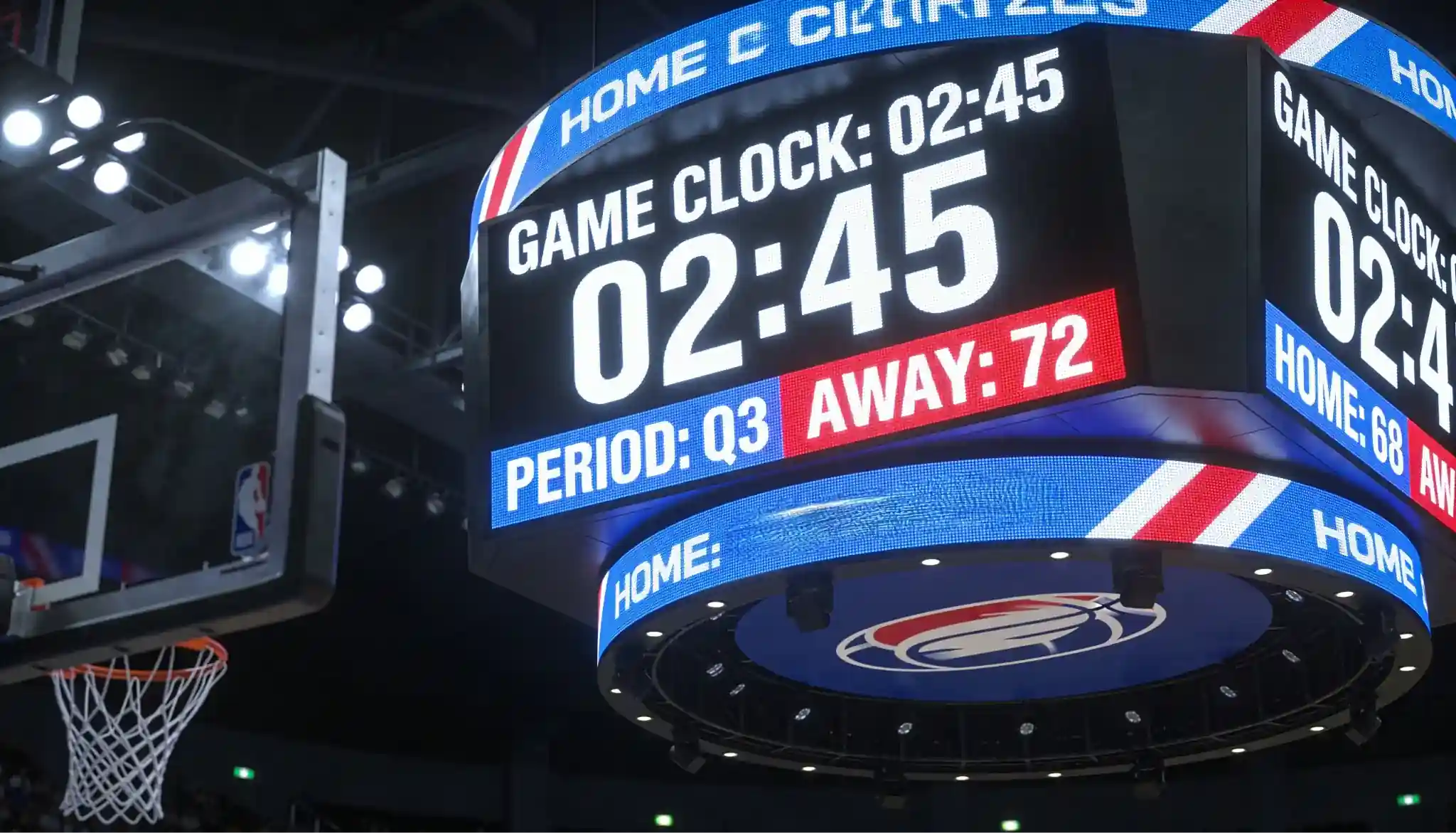
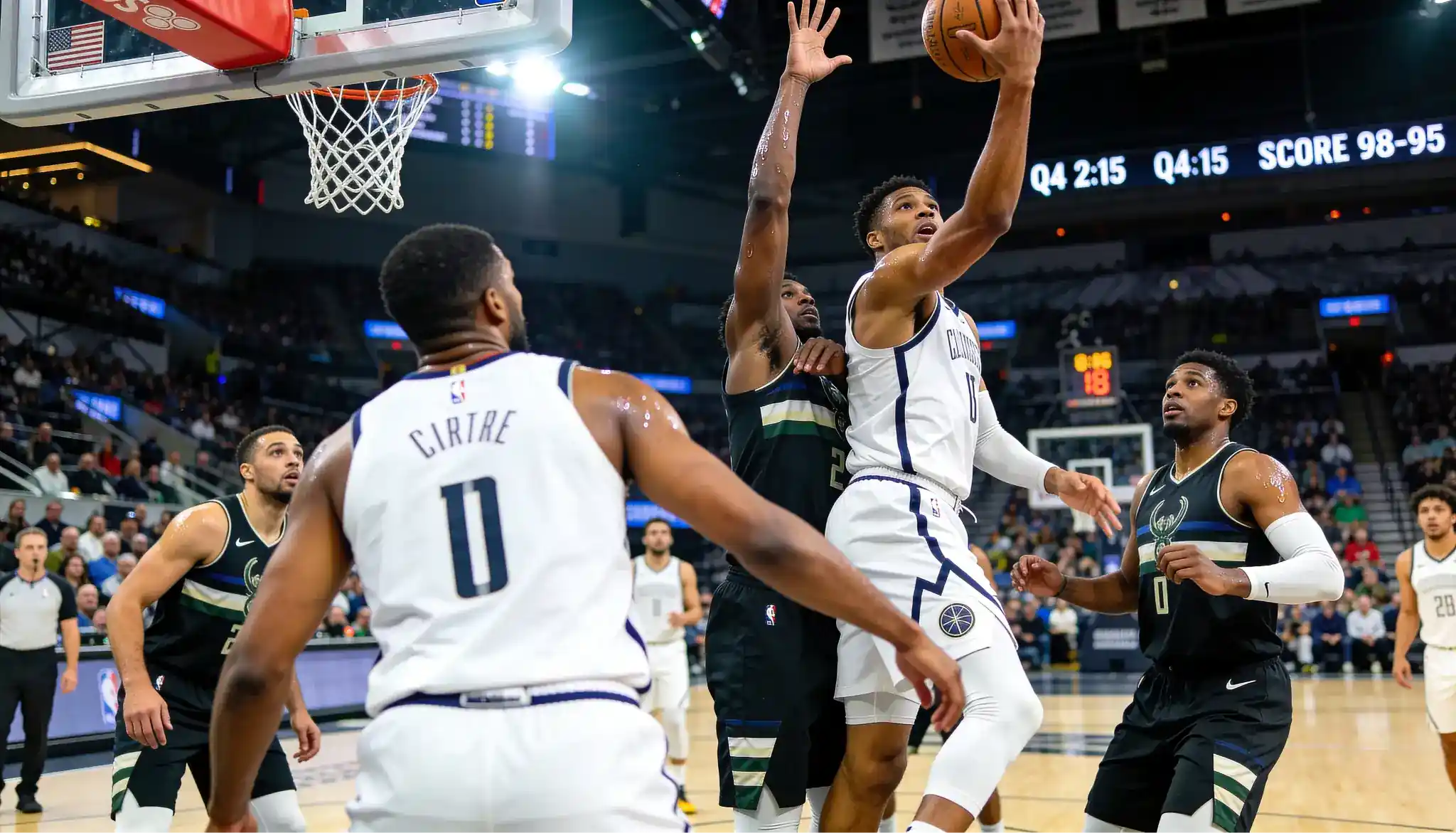
The scoreboard read 89-84 with two minutes remaining, and I needed 220 combined points to cash my over bet. Two possessions later, a coach called timeout and pulled his starters. My over died at 211, teaching me a lesson about NBA totals that no guide had mentioned: garbage time is the enemy of tight totals. That moment nine years ago fundamentally changed how I approach this market.
Totals betting asks you to predict whether the combined final score of both teams will exceed or fall short of a line set by the bookmaker. Unlike moneyline or spread bets where you pick sides, totals let you focus purely on scoring pace – an aspect of basketball where UK punters can develop genuine expertise through careful study of team tendencies.
Around 40% of American sports bets land on basketball according to recent Statista surveys, and totals represent a significant portion of that action. The market attracts both casual punters who enjoy rooting for points regardless of which team scores them, and sharp bettors who exploit inefficiencies in how bookmakers set lines based on public perception versus actual pace data.
NBA Totals Mechanics: Calculating Over/Under Probabilities
Walk into any conversation about NBA betting and someone will mention that modern basketball means high-scoring games. They are not wrong – the league has seen offensive explosions in recent seasons – but totals betting demands far more nuance than simply smashing the over because teams score a lot.
The bookmaker sets a number representing their predicted combined score for both teams. You choose whether the actual total will go over or under that line. A line of 224.5 means you need 225 combined points for the over to win, or 224 or fewer for the under. The half-point eliminates pushes, forcing every bet to either win or lose.
Both sides typically price at around 1.91 in decimal odds, the same as spread betting. This pricing reflects the bookmaker’s margin while offering roughly even money on each outcome. When you see one side drift to 1.87 while the other climbs to 1.95, money is flowing in a particular direction and the bookmaker is adjusting to balance their exposure.
Overtime periods count toward the total. A game heading to the fourth quarter at 98-94 with a total of 218.5 might seem locked for the under, then overtime adds 25 more points and pushes it over. Always factor overtime potential into your calculations, particularly in closely matched games between evenly skilled teams.
NBA totals typically range from around 208 for the slowest-paced defensive matchups to 245 or higher when two up-tempo offensive teams collide. Most games fall somewhere between 220 and 235. Understanding where a specific total sits within this range helps calibrate your expectations about what the market is pricing in.
Factors Affecting Game Totals
I once bet the under in a game between two top-ten defences, felt brilliant about my analysis, and watched both teams abandon their usual approach for an up-tempo shootout. Factors affecting totals extend far beyond simple defensive rankings, and identifying which variables matter for a specific matchup separates profitable bettors from those who rely on surface-level stats.
Pace determines everything. A team averaging 98 possessions per game will generate different scoring opportunities than one playing at 104 possessions. When a fast-paced team meets a slow-paced team, the tempo usually settles somewhere between their averages – though which team controls pace often depends on game state and coaching philosophy.
Defensive efficiency matters more than defensive reputation. A team might allow few points simply because they play slowly, running fewer possessions means fewer opportunities for opponents to score. Look at points allowed per 100 possessions rather than raw points per game to get an accurate picture of actual defensive quality.
Injuries to key players shift totals dramatically. A team missing their primary ball-handler might struggle to generate offence efficiently. Conversely, losing a rim protector could open driving lanes and boost both teams’ scoring. Check injury reports within an hour of tip-off for the most current information, as late scratches cause significant line movement.
Rest and schedule spots influence output. Teams playing their fourth game in five nights often see diminished offensive execution. Fatigue affects jump shooting more than rim attempts, which can push scoring lower even when defensive effort also declines. Back-to-back situations deserve extra scrutiny when you are considering totals.
Venue matters for reasons beyond home-court advantage. Denver’s altitude affects visiting teams’ conditioning. Certain arenas have reputation for different ball bounces. These factors are marginal but contribute to the overall picture when handicapping totals.
Pace and Scoring Trends
The NBA signed an 11-year, 76 billion dollar media deal starting in the 2025-26 season, representing 160% growth from the previous contract. That money flows because fans want to watch scoring, and the league has adjusted rules over decades to encourage exactly that. Understanding these trends helps you anticipate where totals are heading.
Three-point shooting transformed the scoring landscape. Teams attempting forty or more threes per game create massive variance in scoring output. When shots fall, totals soar past expectations. When they miss, even high-paced games can land under. Track three-point attempt rates and recent shooting percentages for both teams before betting totals.
Pace has increased steadily since the early 2010s. What once seemed like a high total – say, 215 points – now represents a below-average scoring expectation. Adjust your mental baselines as the league evolves. Comparing current totals to lines from five years ago leads to flawed analysis.
First quarters often set the tone. Teams that jump to fast starts tend to maintain higher-scoring games throughout because trailing teams must push pace to catch up. Monitoring first-quarter scoring trends for specific teams can reveal patterns that bookmakers undervalue in their totals.
Playoff basketball diverges sharply from regular season norms. Defensive intensity increases, pace often slows, and totals drop accordingly. The 2026 regular season offers different dynamics than the postseason – do not apply the same expectations to both contexts.
Totals Betting Strategies
My most profitable totals season came when I stopped betting based on what I expected to happen and started betting based on where I found pricing errors. Strategy in totals betting means identifying when the market has set a number that does not reflect your probability assessment.
Target specific situations rather than betting every game. Narrow your focus to matchups where you have an edge – perhaps teams you follow closely, specific pace combinations you have studied, or scheduling spots you have tracked historically. Specialists outperform generalists in totals betting.
Fade public perception in marquee matchups. When two high-profile offensive teams meet, casual money floods the over. Bookmakers often set the line higher than they otherwise would, knowing recreational bettors will take the over regardless. These games can offer under value if the actual pace and defensive context suggests scoring below the inflated number.
Weather and altitude matter in ways the public ignores. Indoor arenas eliminate direct weather effects, but travel through weather systems affects arrival times and practice schedules. Denver home games consistently challenge visiting teams’ conditioning, affecting second-half scoring when fatigue accumulates.
Build models or track metrics that the market underweights. Effective field goal percentage, turnover rate, offensive rebounding – these factors combine to drive scoring. When your analysis of these metrics conflicts with the posted total, you have found a potential edge worth exploring.
Accept that variance in totals exceeds spread betting. A team can cover a spread through offensive or defensive performance, providing multiple paths to success. Totals require both teams to perform in a specific scoring direction, doubling the variables. Size your stakes accordingly.
Navigating the Numbers
Start with totals in games where you have strong pace-based reads rather than spreading action across the entire slate. Quality analysis on three games beats superficial takes on twelve. As you track results and refine your approach, the market will reveal its patterns.
The totals market rewards patience and specificity. Develop expertise in particular matchup types – perhaps defensive battles where unders thrive, or up-tempo affairs where overs cash. Specialists who deeply understand narrow slices of the market outperform generalists who bet everything.
Return to the fundamentals when variance strikes. Bad beats happen – teams pull starters early, overtime periods flip results, shooters go cold in unpredictable stretches. Your edge exists in the long run, not in any single result. Keep meticulous records and trust your process through the inevitable swings. The complete picture of NBA betting markets becomes clearer once you have mastered this fundamental bet type.
What does over 220.5 mean in NBA betting?
The bookmaker has set 220.5 as the expected combined score for both teams. If you bet the over, you need 221 or more total points to win. If you bet the under, you need 220 or fewer combined points. The half-point ensures there is no push – every bet either wins or loses.
Does overtime count for over/under bets?
Yes, overtime periods count toward the final total for standard over/under bets. A game that appears headed under during regulation can flip over after extra periods. Only specific regulation-time markets exclude overtime, and those will be clearly labelled as such by the bookmaker.
Prepared by the how to bet nba editorial staff.